Choosing the Right Dance School in Rīga and Sigulda
What to look for in a good dance school: instructor qualifications, class structure, music quality, and community atmosphere. We break down how to evaluate options in both cities.

Finding Your Dance Home
Picking a dance school isn't like choosing a gym. You're looking for somewhere you'll actually want to go, where people understand what you're trying to accomplish, and where the teaching actually clicks. Both Rīga and Sigulda have solid options these days, but they're not all the same.
The difference between a place where you'll stick around for a few months and a place you'll keep coming back to for years often comes down to small things. The right instructor makes a huge difference. The studio space matters. Even the music quality affects how much you'll enjoy it.
What This Guide Covers
- Instructor qualifications and teaching style
- Class structure and beginner-friendly approach
- Studio facilities and atmosphere
- Music quality and sound system
- Community and social environment
Instructor Qualifications Matter More Than You Think
Not every good dancer makes a good teacher. You'll want someone who's actually trained in instruction — they understand how bodies work, how to break down movements so beginners can follow them, and how to give corrections without making you feel bad.
Look for instructors with formal certifications in dance education. Many of the better schools in Rīga require their teachers to have completed recognized instructor programs. Some even do continuing education in adult learning, which is its own skill. You don't need an instructor who competed at elite levels — you need one who can teach.
The Right Question: "How long have you been teaching, and what instructor training have you completed?" A vague answer is a red flag.
The Studio Space Affects Your Learning
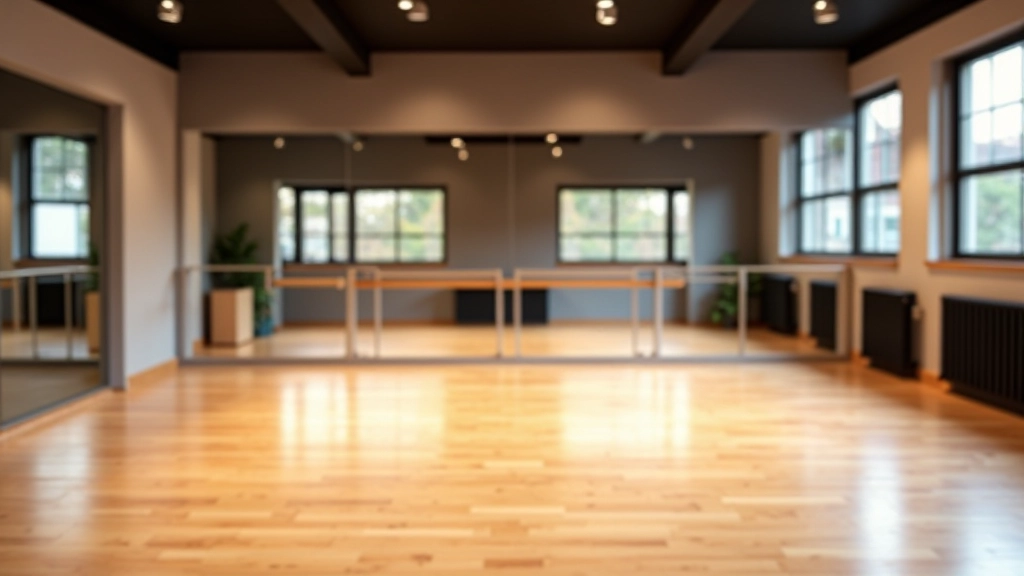
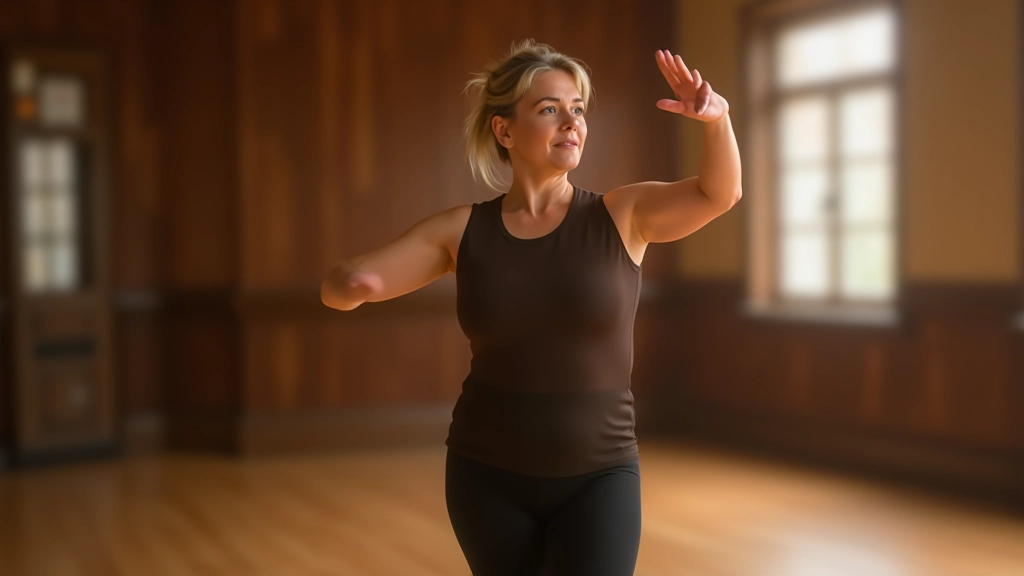
You need a space with a sprung floor — this isn't optional. Regular concrete or tile will destroy your knees and ankles, especially if you're doing regular classes. Sprung flooring absorbs impact and protects your joints. Most serious schools in Rīga have this. Some newer studios in Sigulda still use regular floors, which isn't ideal.
Mirrors are essential for learning. You need to see what your body's actually doing, not just what it feels like you're doing. They're usually deceiving, but they're helpful. Good studios also have decent ventilation and temperature control. Dancing in a hot, stuffy room gets old fast.
Visit During a Class: Watch how the space feels during an actual session. Is it comfortable? Can you see yourself in the mirrors? Can you hear the instructor clearly?
Class Structure and Beginner Approach
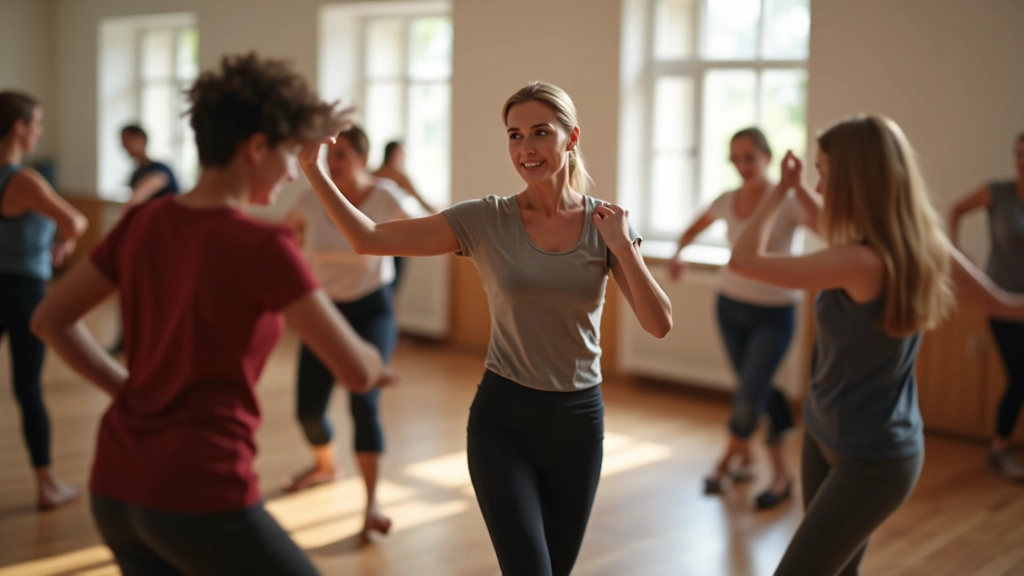
Good schools separate beginners from intermediate dancers. You don't want to be in a class where half the people already know the basics — you'll either feel rushed or the experienced dancers will get bored. Most schools in Rīga do this well. They'll have a "Level 1" or "Fundamentals" class specifically for people starting out.
Ask about class length and structure. A typical beginner class runs 60-90 minutes. The first 15-20 minutes should be warm-up and basic technique work. Then you'll learn step patterns. A good instructor won't try to cram 10 new things into one session — you're looking at maybe 2-3 new elements per class, practiced thoroughly.
Also find out if they offer drop-in classes or if you need to commit to a full session. Most beginners appreciate some flexibility while they figure out if this is for them.
Sound System Quality Matters
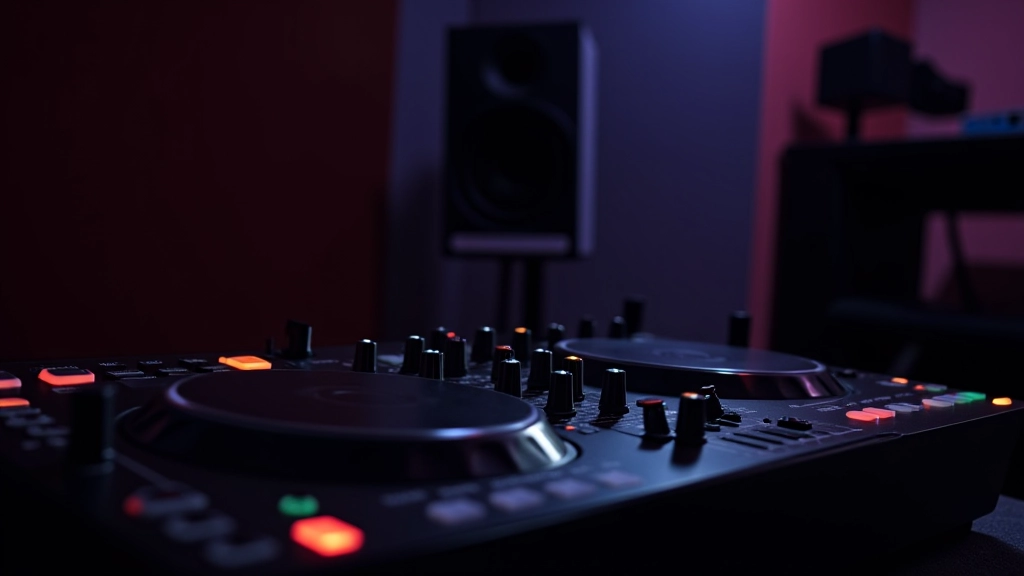
You wouldn't think this would be a big deal, but bad sound makes everything harder. If the music is distorted, too quiet, or has dead zones in the studio, you can't hear the beat properly. Your body won't sync up right. Good schools invest in decent equipment and maintain it.
The music selection matters too. Authentic bachata and salsa recordings help you develop an ear for the real sound of the dance. Some schools use remixes or versions that don't have the proper rhythm structure, which actually teaches you bad habits.
Pay Attention: During your first visit, can you hear the beat clearly? Does the music feel right? Can you understand the instructor's voice?
Community and Atmosphere
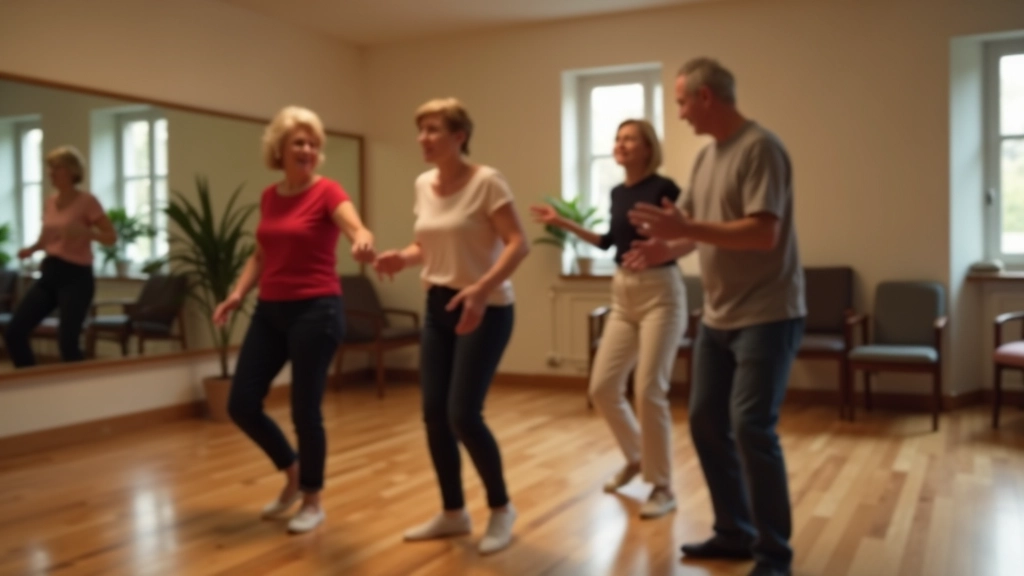
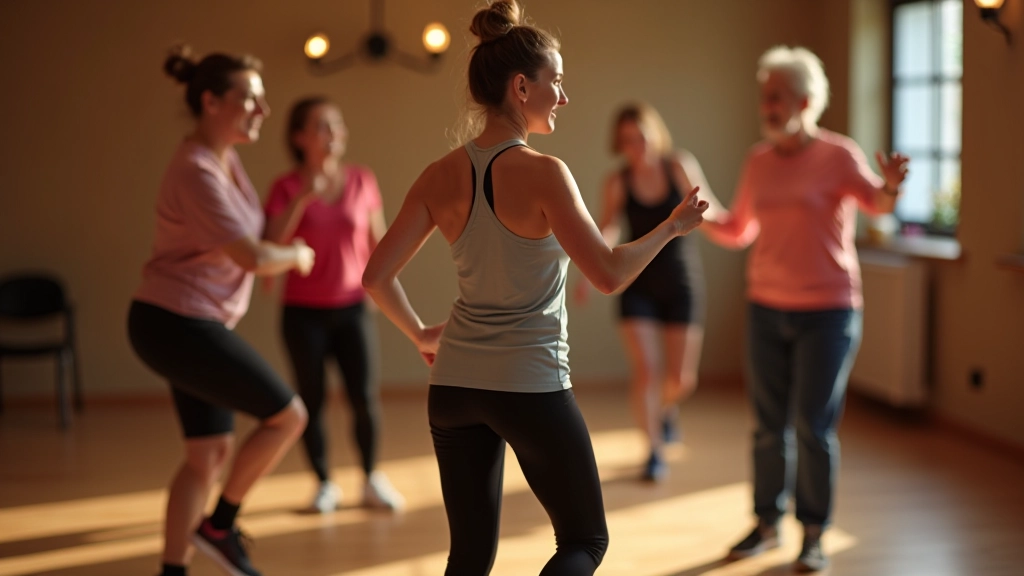
The social environment can make or break your experience. You want a place where people are supportive, not competitive. A good beginner class should feel welcoming to newcomers. Everyone's there to learn, not to show off.
Pay attention to how the instructor treats people. Do they give individual corrections kindly? Do they laugh off mistakes or make people feel bad? How do experienced students treat beginners? You're looking for a community, not a hierarchy.
Many schools in Rīga organize social events — practice sessions, performances, or just casual meetups. This isn't essential, but it's nice if you want to go beyond just taking classes. Sigulda has a smaller dance community, which can actually be an advantage — everyone knows each other and there's a real sense of belonging.
Rīga vs. Sigulda: What's Different
Both cities have good options, but they offer different experiences.
Rīga
- More school options to choose from
- Classes at various times throughout the week
- Larger beginner groups
- More established facilities overall
- Regular social events and performances
Sigulda
- Smaller, tight-knit community
- More personal attention in classes
- Fewer class time options but good quality
- Beautiful surroundings and castle nearby
- Less formal, more relaxed vibe
Your School Evaluation Checklist
Use this when you're visiting potential schools:
Trust Your Gut
After you've checked the practical stuff — the floor, the instructor's qualifications, the class structure — pay attention to how the place feels. Do you want to come back? Do the people seem happy to be there? That matters more than any checklist item.
Most schools will let you sit in on a class for free or pay a small drop-in fee. Do that. Watch how the instructor teaches, how they handle corrections, how the students interact. You'll get a real sense of whether it's right for you in about 15 minutes.
Both Rīga and Sigulda have solid dance communities now. You're not choosing between good and bad — you're choosing between different good options. Pick the one that fits your life and makes you want to come back. That's the best school for you.
Educational Disclaimer: This article is for informational purposes and represents general guidance about evaluating dance schools. Specific school quality, instructor qualifications, and facilities vary. Always visit in person and take trial classes to assess fit for your needs. Individual results and experiences differ based on your goals, physical condition, and commitment level.