
kemerigate Dance Classes Logo kemerigate Contact Us
Contact Us
Dance Fundamentals

First Steps in Bachata: What Beginners Need to Know

Learn the basic rhythm, body movement, and frame techniques that make bachata accessible for adults starting at any age. We'll walk through the fundamentals step-by-step.

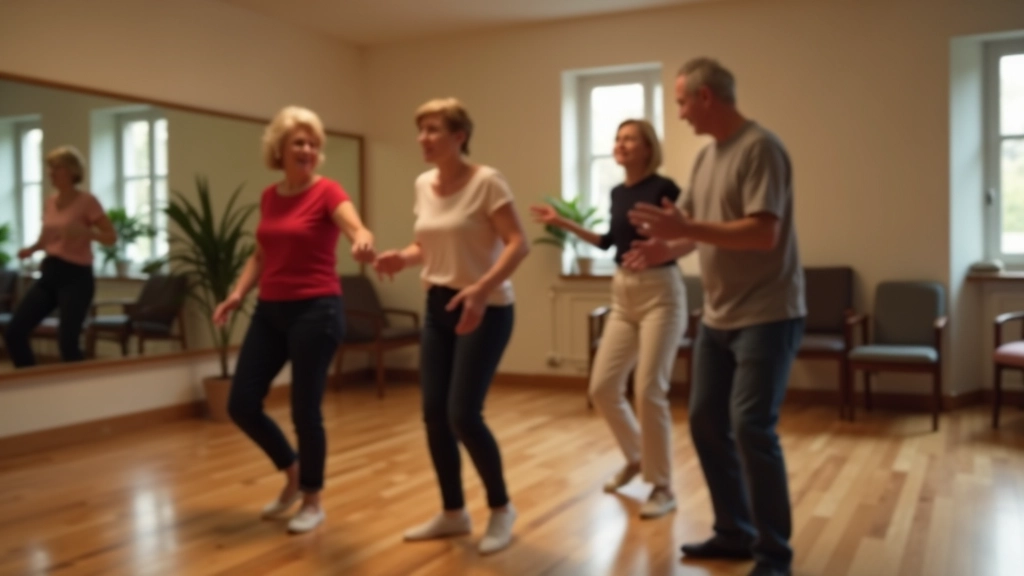
Mature adults learning dance steps in a bright studio with mirrors and wooden floor
Dace Ļubkina
Author

Dace Ļubkina

Senior Dance Education Specialist

Certified dance instructor and wellness specialist with 14 years of experience teaching bachata and salsa to mature adults throughout Latvia.

Why Bachata Works for Beginners

Bachata isn't complicated. That's what makes it great. The rhythm is simple, the movement is natural, and you don't need a dance background to get started. Most people pick up the basics in their first class or two.

What we're doing here is breaking down exactly what you'll encounter when you walk into a beginner's class. We're talking about the rhythm patterns, how to move your body, and what good frame actually feels like. You'll understand what the instructor means instead of just copying what you see.

The good news: Bachata focuses on connection and feel, not complex footwork. You're moving to a 4/4 beat with a distinctive syncopation on the 8th count. That's it. Everything builds from there.
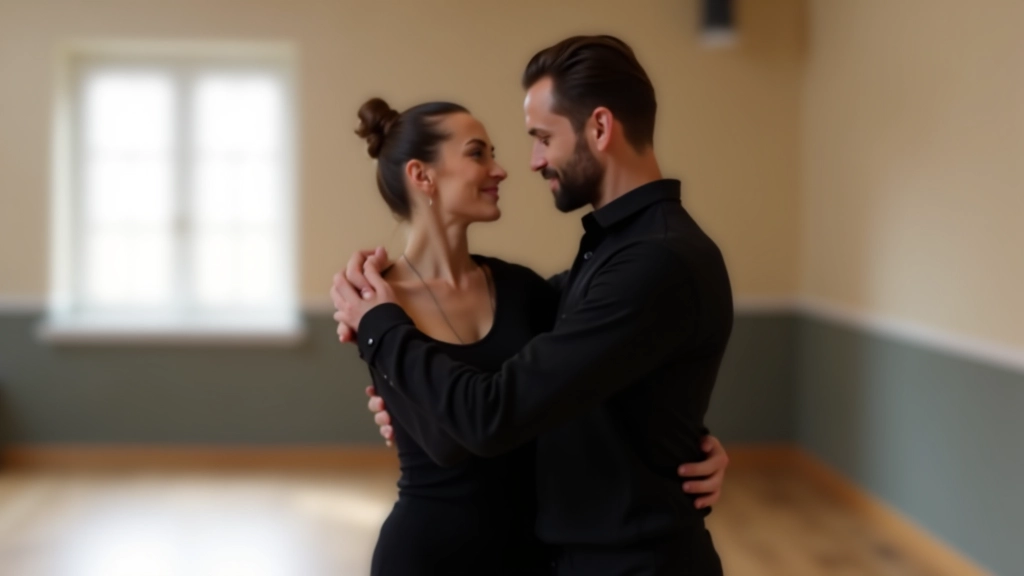
Instructor demonstrating basic bachata posture and frame with a beginner student
Close-up of feet showing the basic bachata step pattern on a wooden dance floor

Understanding the Basic Rhythm

Bachata moves to a 4-count basic step. You'll hear it called different names — the basic box step, the forward-back step — but it's all the same thing. Step forward on 1, shift weight on 2, step back on 3, shift weight on 4. Then you repeat going backward.

The distinctive part comes on count 8. There's a little hip action that happens naturally when you shift your weight. You're not forcing it. It just happens when your body moves to the music the right way.

1

Forward step (left foot if you're leading)

2

Weight shift (stay on same leg)

3

Back step (right foot)

4

Weight shift (stay on same leg)

Body Movement and Posture

Here's what you need to know: stay upright. Don't slouch, don't lean back, don't tilt forward. Your spine should feel neutral — imagine there's a string pulling the top of your head toward the ceiling. That's your posture.

Your knees stay slightly bent. Not locked stiff, but not deeply bent either. You're moving from your core, not your legs. The hip movement comes naturally when your core engages and you shift your weight properly. It's not something you manufacture — it happens because of how your body is designed to move.

Common mistake: Beginners try to make their hips move. Stop. Let them move. When you step forward and shift weight correctly, your hips will follow naturally.

Side-view comparison showing correct and incorrect bachata posture alignment
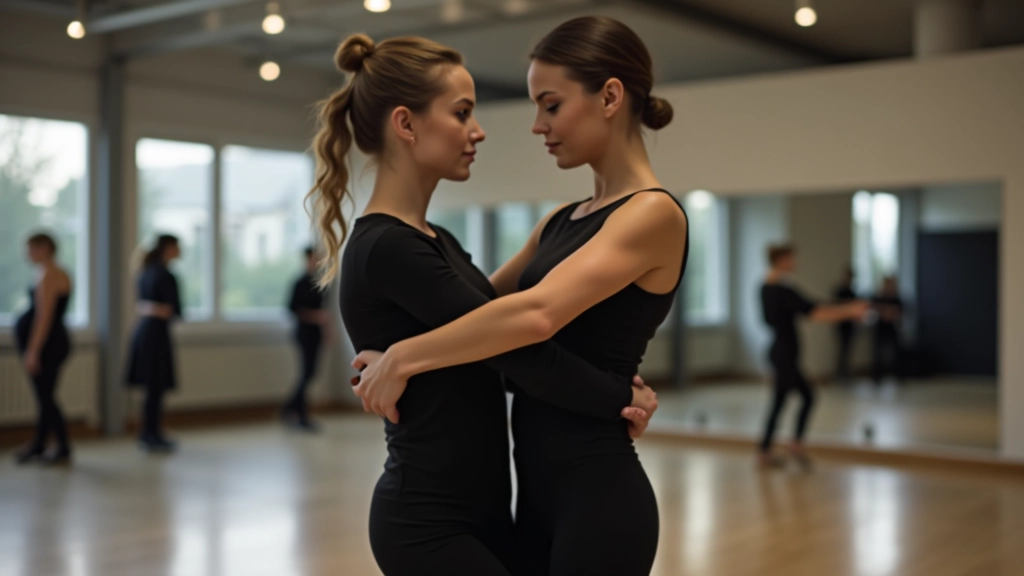
Two dancers demonstrating proper closed frame position in bachata

The Frame: Connection and Lead

The frame is everything in partner dancing. It's how you communicate. It's the physical connection between you and your partner. A good frame means your partner can feel what you're doing without you having to pull or push them.

In a closed frame, the leader's left hand holds the follower's right hand at shoulder height. The leader's right hand is on the follower's shoulder blade or mid-back. The distance between you should be comfortable — not arm's length, not pressed together. About 6-12 inches of space.

Your frame should stay firm but not rigid. You're not gripping or clenching. You're maintaining connection through gentle pressure. When you move, your frame moves with you. The follower can feel the direction you're going and respond naturally. That's the whole point.

Starting Your Practice

You don't need to learn everything in one day. Most beginners spend their first 3-4 weeks just getting comfortable with the basic step. That's normal. That's actually how it's supposed to work.

Start without a partner. Practice the basic step solo until it feels natural. Count out loud. Move to the music. Feel the rhythm. Once you're comfortable with the footwork, adding a partner becomes the next step. But honestly? The footwork is just mechanics. The real skill is feeling the music and moving with confidence.

Timeline: Most students notice real improvement in 6-8 weeks of regular practice. You'll feel less awkward, you'll know what to do when the music starts, and you'll actually start enjoying it instead of just thinking about where your feet go.

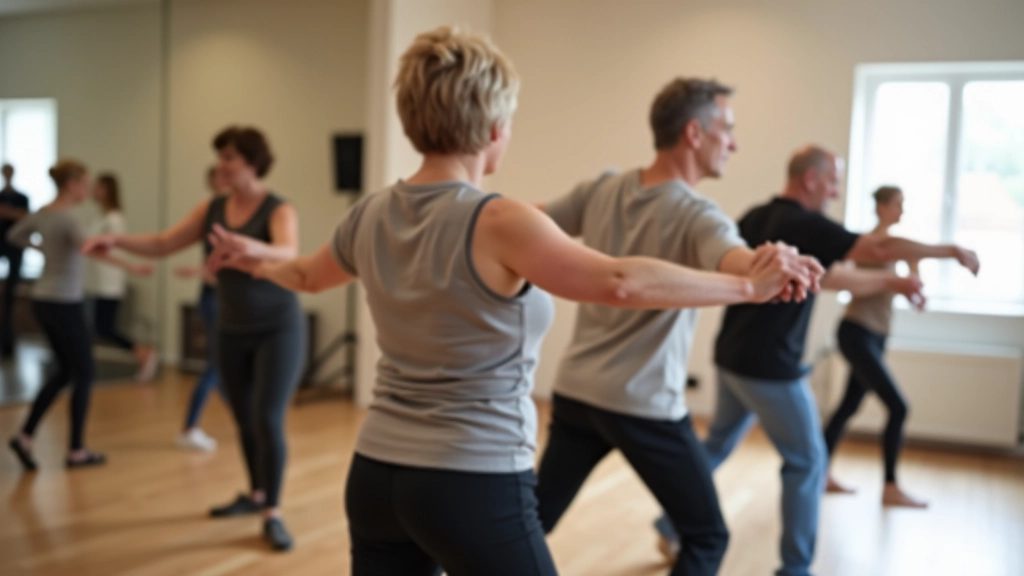
Group of mature beginner dancers practicing the basic step in a bright dance studio

Ready to Get Started?

Bachata is welcoming. You don't need to be young, fit, or experienced. You just need to show up and be willing to try. The rhythm is straightforward, the movement makes sense, and after a few weeks you'll feel the difference. You'll have better posture, you'll understand music differently, and you'll connect with people in a completely new way.

The hardest part is walking through the door the first time. Everything after that gets easier.

Want to learn more about beginner programs in your area?

Explore Dance Schools

Disclaimer

This article provides educational information about bachata fundamentals for beginners. It's designed to help you understand basic concepts before starting classes or as a supplement to in-person instruction. Every person learns differently, and what works for one dancer may need adjustment for another. We recommend learning directly from a qualified dance instructor who can observe your movement and provide personalized feedback. If you have any physical limitations or health concerns, consult with a healthcare professional before starting a new dance practice.