Health Benefits of Dancing After 45 in Baltic Climate
Discover how regular social dancing improves cardiovascular health, balance, and mental wellbeing—especially during long Baltic winters.

If you're over 45 and thinking about getting active, you've probably heard about running, swimming, or gym routines. But there's something else that works—something that's actually fun and doesn't feel like exercise at all. It's dancing.
Here's the thing: dancing isn't just about moving to music. It's a complete workout that improves your heart, sharpens your balance, and keeps your mind sharp. And it's especially valuable in our Baltic climate where dark winters can make staying active challenging.
What You'll Learn
- How dancing strengthens your cardiovascular system
- Why balance and coordination improve with regular practice
- The mental health benefits backed by research
- How to stay active during winter months
- Getting started safely at any fitness level
Your Heart Gets Stronger
Dancing is aerobic exercise. A 90-minute social dance session burns between 250-400 calories depending on intensity and your body weight. More importantly, it gets your heart working harder in a way that's sustainable.
When you're learning bachata or salsa, you're moving continuously for extended periods. Your heart rate increases, your breathing deepens, and over time—usually within 6-8 weeks of regular dancing—you'll notice you don't get winded as easily during daily activities. Climbing stairs feels easier. Walking feels lighter.
Research shows that people over 45 who dance regularly have better cardiovascular fitness than sedentary adults in the same age group. Your blood pressure improves. Cholesterol levels improve. The risk factors that concern doctors at our age start shifting in the right direction.
Balance and Coordination Improve
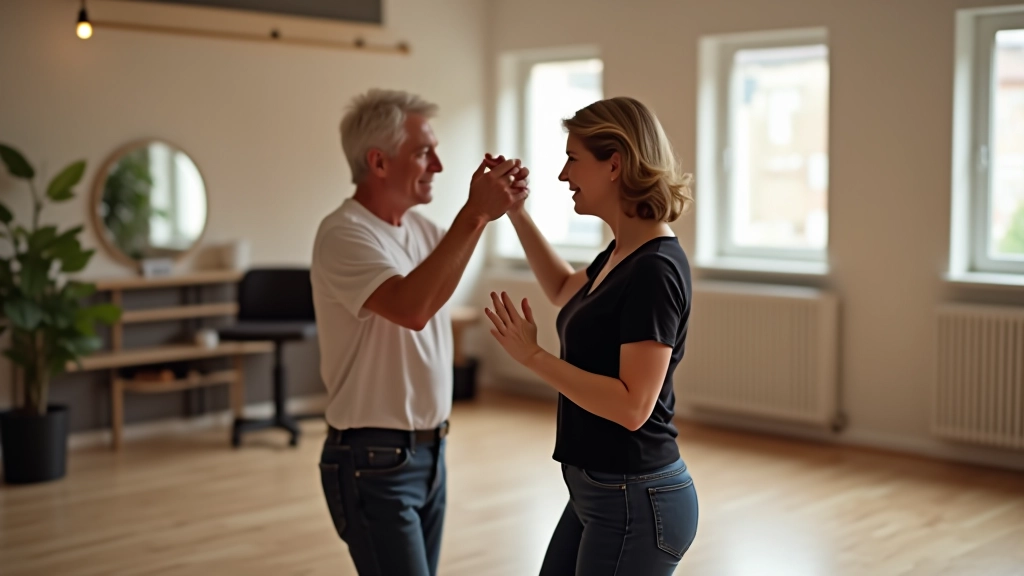
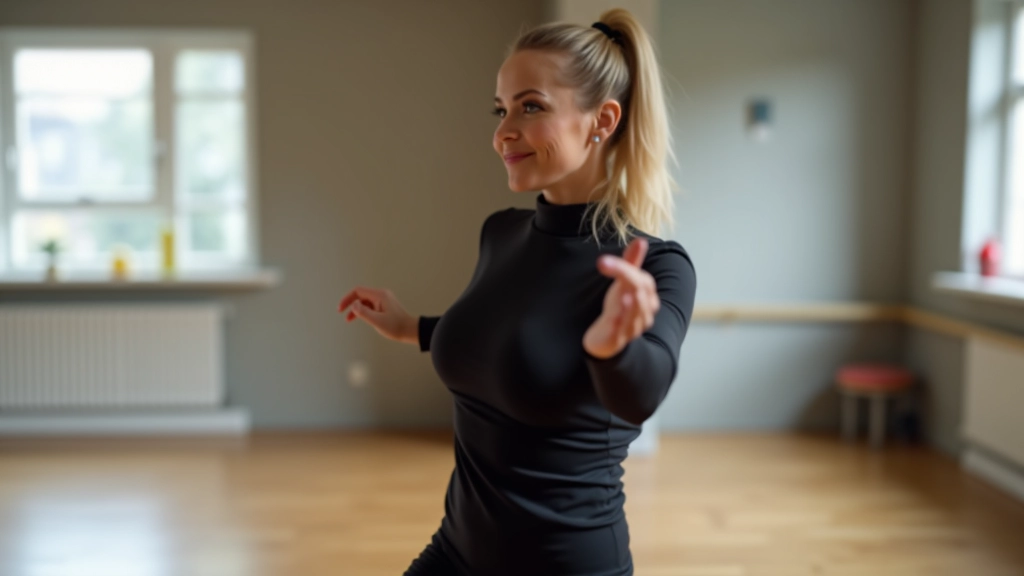
Falls are a real concern as we age. They're the leading cause of injury-related death for adults over 65. This is where dancing becomes genuinely protective. It strengthens your stabilizer muscles—the small muscles that keep you upright and stable.
Bachata and salsa require coordination between your upper and lower body. Your feet follow a pattern while your upper body moves differently. Your brain has to track your partner's movement. These aren't passive movements—they demand focus and control. After 8-12 weeks, people notice they're more aware of their body in space. They're steadier on their feet. Walking on uneven ground feels safer.
The cognitive component matters too. You're learning steps, counting rhythm, and responding to a partner. That engagement activates your brain in ways that a treadmill just doesn't match.
Mental Clarity and Mood Improvement
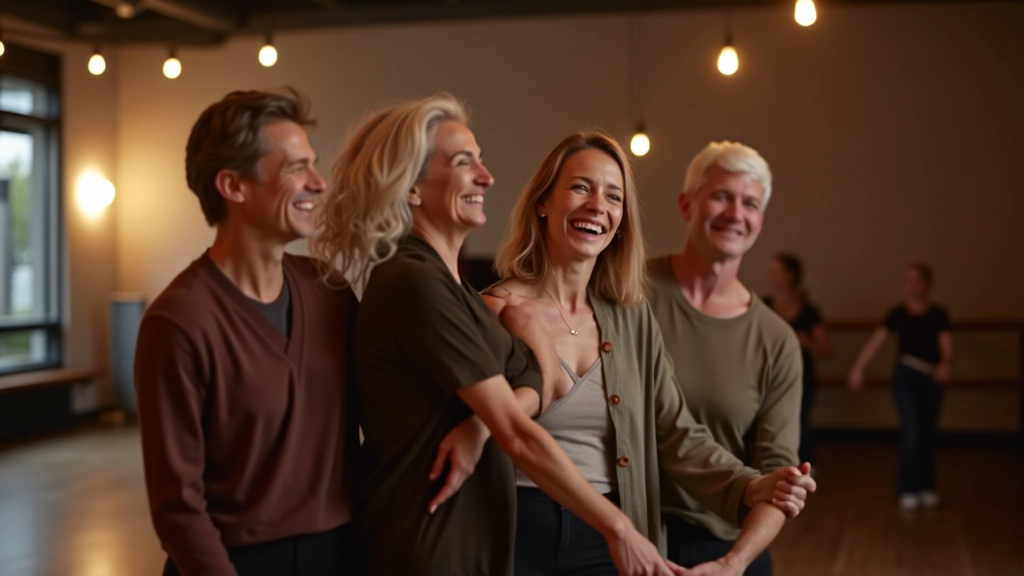
This is where people are often surprised. Yes, dancing is physical exercise, which releases endorphins. But there's more happening. You're in a social setting. You're learning something new. You're connecting with other people who are there for the same reason.
The learning aspect is important too. Your brain is processing music, counting rhythm, following steps, and responding to feedback from your partner. This cognitive engagement has been shown to improve memory and mental sharpness. People who dance regularly report better sleep, clearer thinking during the day, and improved mood.
Especially Important During Baltic Winters
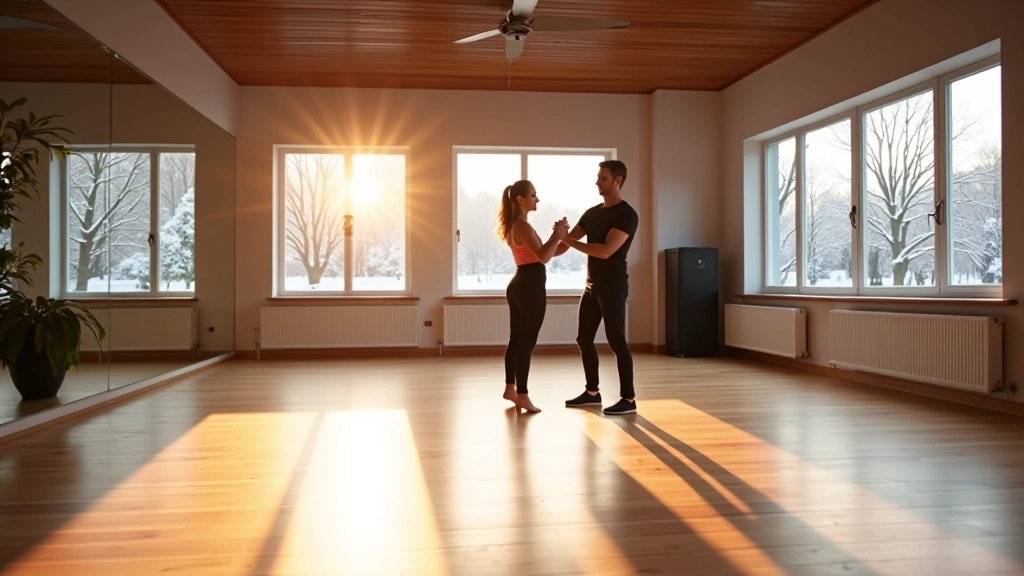
Let's be honest about our climate. From November through February, it's dark, cold, and outdoor activity becomes genuinely difficult. Seasonal Affective Disorder affects a significant portion of the population here. Staying active becomes harder precisely when it's most important.
Dancing indoors solves this problem. You're in a warm, well-lit space. You're moving. You're social. You're getting the cardiovascular and mental health benefits exactly when you need them most. A Tuesday evening class in January becomes as routine as breakfast. It's a reason to get up, get out, and stay connected.
Consistency matters more than intensity. Three sessions per week at moderate effort beats sporadic intense activity. Dancing twice a week through the winter keeps your fitness level stable and your mood supported. Come spring, you're not starting from zero like people who hibernated through winter.
Getting Started Safely
You don't need to be fit to start dancing. You don't need experience. You don't even need a partner initially—many classes rotate partners or have instructors who can help.
1
Start with Beginner Classes
Beginner classes are designed for people starting from zero. The pace is slower. Instructors teach fundamentals clearly. You'll learn basic steps, rhythm, and connection before anything complex.
2
Go Twice Weekly
Two sessions per week allows your body to adapt and your brain to consolidate what you're learning. This is enough to see improvements without being overwhelming if you're new to exercise.
3
Stick with It for 6-8 Weeks
Real changes take time. You'll feel improvements in how you move and feel after about 6-8 weeks of consistent attendance. That's when fitness gains start being noticeable.
4
Listen to Your Body
You're working harder than usual. That's expected. Pain is not. If something hurts, tell your instructor. Good instructors modify movements for different fitness levels.
Why This Actually Works
The health benefits of dancing after 45 are real and substantial. Your cardiovascular system gets stronger. Your balance and coordination improve in ways that reduce fall risk. Your mood improves because you're exercising, learning, and connecting with people.
Unlike a gym membership that collects dust or a running routine that feels like punishment, dancing is inherently enjoyable. You're not forcing yourself to do something you dislike. You're doing something that feels good and happens to be excellent for your health.
In Latvia's climate, where winter darkness can be challenging, having an indoor activity that keeps you fit, engaged, and social is valuable. It's not about becoming a great dancer. It's about maintaining the health, mobility, and mental sharpness that matter at our age.
Important Note
This article is informational and educational in nature. It's not a substitute for medical advice. If you have existing health conditions, injuries, or concerns about starting a new physical activity, consult with your healthcare provider before beginning dance classes. Dance instructors can modify movements for different fitness levels and physical limitations, so communication with your instructor about any health considerations is important.
Explore More