Salsa Fundamentals for Adults Over 45
Discover the core salsa basics: the clave rhythm, basic step patterns, and partner connection. We cover common mistakes beginners make and how to build confidence quickly.

Why Salsa Works for Beginners Over 45
You're thinking about trying salsa. Maybe you've watched it on TV or heard friends talk about their lessons. The good news? Salsa isn't as complicated as it looks, and it's absolutely doable at any age.
We've taught hundreds of adults over 45 in Latvia. Most come in thinking they'll be awkward or can't keep rhythm. By week four, they're laughing, moving with confidence, and actually enjoying themselves. The secret isn't talent — it's understanding the fundamentals and practicing them consistently.
The Three Pillars
- Master the clave rhythm
- Learn the basic step forward and back
- Build connection with your partner
Understanding the Clave Rhythm
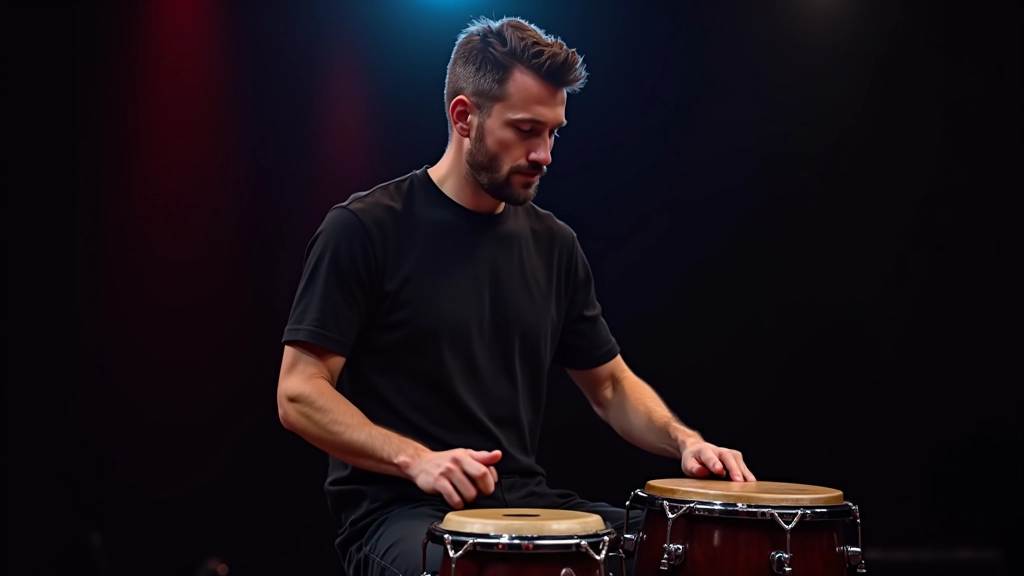
Every salsa song has a heartbeat. That's the clave rhythm. It's a five-beat pattern that repeats throughout the entire song. Once you feel it, everything else clicks into place.
The basic clave is: ONE-two-THREE-four-FIVE (with emphasis on beats 1, 3, and 5). You don't need to count like a mathematician. You need to feel it. Listen to the drums, especially the lower-pitched ones. They're marking the clave for you.
Practice this for five minutes a day. Listen to salsa songs at home. Clap along. Tap your foot. Your body will start recognizing the pattern naturally. Most people get this within 2-3 weeks of consistent practice.
Pro tip: Don't watch your feet while learning rhythm. Keep your head up, shoulders relaxed, and let your body respond to what you hear. Beginners often tense up when they look down.

The Basic Step: Forward and Back
The basic salsa step is simple. It's literally: step forward, step in place, step back. Then reverse it. That's your foundation.
Here's what it looks like: On beat one, step forward with your left foot. On beat two, bring your right foot to meet it (but don't shift your weight yet). On beat three, step back with your left foot. Then beats four and five are the same movement in reverse. It takes about 30 seconds to understand, maybe two weeks to feel natural.
The biggest mistake? Moving your hips before moving your feet. Your hips follow your feet. You're not swaying — you're actually stepping. Keep your upper body calm. The movement comes from your legs and core, not from exaggerated hip swinging.
1
Step forward on beat 1
2
Step in place on beat 2
3
Step back on beat 3
Partner Connection and Frame
Salsa is a partner dance. You're not dancing alone while someone else happens to be near you. You're dancing together. This is what makes it beautiful — and what intimidates beginners the most.
The frame is your physical connection with your partner. The lead (typically the man) uses light pressure in the frame to guide direction and timing. The follow (typically the woman) responds to that pressure. It's a conversation. Not a command. The best leads use minimal force — just a suggestion.
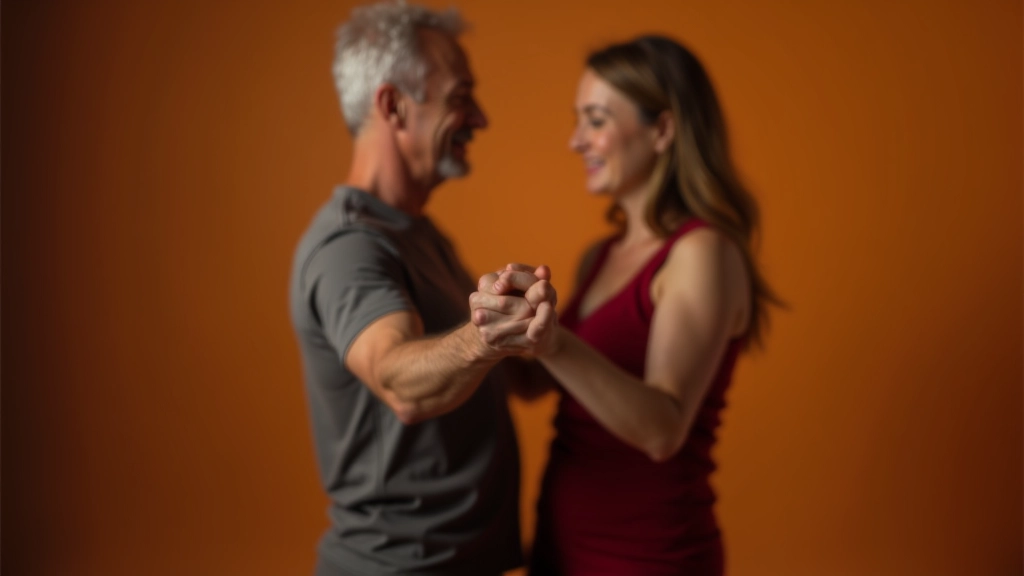
Start with the basic closed position: You're facing each other about 12 inches apart. The lead's right hand rests on the follow's left shoulder blade. Their left hand holds the follow's right hand at shoulder height. Keep your shoulders relaxed and connected. Your frame should feel stable but flexible — like you're moving as one unit, not two separate people.
Key insight: If your partner isn't responding to your lead, it's usually because you're pushing instead of guiding. The connection works best when both people stay relaxed and attentive.
Common Beginner Mistakes and How to Fix Them
Looking Down at Your Feet
You're checking if you're doing it right. The problem? This throws off your balance and you can't see your partner's signals. Keep your head up. After two weeks, your feet know what to do without supervision.
Rushing the Rhythm
You're anticipating beats instead of hitting them on time. Salsa moves at about 90-110 beats per minute. Start with slower songs. Let the music control your pace, not your anxiety about what comes next.
Stiff Upper Body
Tensing your shoulders makes you look uncomfortable and tired. Salsa is relaxed. Your shoulders should be loose, your arms flexible. Let your partner feel your frame, not your tension.
Taking Too-Big Steps
Salsa is intimate and controlled. Your steps should be compact — maybe 8-12 inches per step. This gives you balance and control, and keeps you connected with your partner.
Forgetting to Breathe
Beginners hold their breath from nerves. You'll get tired and tense. Breathe naturally. This is dancing, not surgery. Relax and enjoy the music.
Apologizing for Mistakes
Everyone messes up. It's part of learning. Just keep moving. Your partner won't mind, and you won't remember it five minutes later anyway.
Building Confidence Through Practice
Here's what works: two sessions per week, 90 minutes each, for at least six weeks. You'll notice real progress by week four. Your body learns faster than your mind believes.
In class, you'll do about 20 minutes of warm-up and technique work. Then 40 minutes of practicing the basic step with different patterns. The last 30 minutes is usually partner dancing with lighter music so you can focus on connection.
At home, listen to salsa. Dance in your kitchen if you want. YouTube has thousands of beginner tutorials. Join the community — salsa students become friends quickly. You're all learning together, and there's something special about that.
4
weeks to feel comfortable
2
sessions per week recommended
90
minutes per session
Start Your Salsa Journey
Salsa fundamentals aren't mysterious. You don't need to be young or naturally coordinated. You need rhythm (which you can learn), consistency (which is just showing up), and patience with yourself (which gets easier after week one).
The real magic happens when you stop thinking about the steps and start feeling the music. That's when salsa becomes what it's meant to be — a joyful conversation between partners, told through movement and rhythm.
Educational Disclaimer
This article is for educational purposes only and provides general guidance about salsa fundamentals. It's not a substitute for professional instruction. Individual circumstances vary — some people may have physical limitations or health considerations that require consultation with a healthcare provider or certified instructor before starting any dance practice. Always work with qualified dance instructors who can assess your specific needs and provide personalized guidance for safe and effective learning.
More Learning Resources